
110.00m2
Denia is a working Mediterranean port town that blends Spanish authenticity with an international lifestyle. It offers strong year-round infrastructure, excellent healthcare, diverse neighbourhoods, wide beaches, and UNESCO-recognised gastronomy. Property prices are rising steadily but remain more accessible than nearby resorts, making Denia attractive for families, retirees, and remote professionals seeking quality of life and long-term stability.
What makes Denia stand out from other Costa Blanca towns?
Its combination of a working port town, UNESCO gastronomy status, proper healthcare infrastructure, wide sandy beaches, and a strong Spanish identity sets Denia apart from more resort-oriented alternatives.
Denia does a remarkable job of balancing traditional Spanish charm with an international lifestyle. First and foremost, it’s a working Spanish port town which keeps it both authentic and charming. Located on the northern side of Costa Blanca, it’s an hour’s drive north to Valencia and about the same distance to Alicante in the south.
Denia is known as a “Creative City of Gastronomy” recognised by UNESCO. Denia is a thriving community for expats from the UK, Germany, Colombia, the Netherlands, and more recently the US.
The town sits perfectly between the slopes of the Montgo and the shining blue Mediterranean. This idyllic setting provides some wonderful views, especially from the marina – think beautiful yachts framed by a majestic mountain, best enjoyed with your favourite glass of Cava!
Also, while home prices are rising across the region (6-9% per year, depending on the specific area), they are rising less quickly in Denia, especially compared to neighbouring Javea.
Short on time? Check out our Podcast Summary below covering relocation essentials
Climate: 322 Days of Sunshine
- Summer: Hot and dry, with temperatures averaging 28°C to 32°C. The sea breeze helps keep the humidity manageable.
- Winter: Mild and bright. Daytime highs rarely drop below 15°C, though nights can be crisp. January and March tend to be the rainiest months.
- The “Gota Fría”: Occasionally in autumn (October/November), the region experiences heavy, short-lived rainstorms, but these quickly clear to blue skies.
- Note: Denia is less sheltered from the wind than its close neighbour on the other side of the Montgo, Jávea
Demographics
Unlike some nearby expat bubbles, like Javea, Denia maintains a primarily Spanish identity, while also integrating a diverse international community.
As of 2026, Denia has reached 50,000 permanent residents, marking its transition from a large town into a small city.
Un centro internacional en crecimiento

The population of Denia has seen a steady accelerator effect over the last few years. While the local Spanish population remains stable, nearly all recent growth has come from international relocation.
- Total Official Population: ~50.200 (2026 estimate).
- Foreign Residents: Roughly 30% of the population (approx. 15,000+ people) are non-Spaniards.
- Nationalities: There are over 110 different nationalities living in Denia, creating a an international atmosphere, especially in the local schools and the superb “Els Magazinos” dining area.
Top-Tip: Join one of the Intercambio events as soon as you get there to meet fellow expats and locals alike. This is also a great way to start your Spanish language learning journey, as often these events include a short language exchange.
Expats
Historically, the British and Germans have been the largest expat groups, but the demographic is shifting:
| Nationality | Estimated Residents | Characteristics |
|---|---|---|
| United Kingdom | ~1450 | Mostly retirees and “digital nomad” families, centred in Les Rotes and the Montgó. |
| Germany | ~1400 | Long-standing community with deep roots; often found in the quiet villas of the Montgó. |
| Colombia | ~2500 | The fastest-growing group, contributing significantly to the local service and hospitality workforce. |
| The Netherlands | ~550 | A smaller but very active community, often focused on the maritime and real estate sectors. |
| United States | ~150 | A growing niche of remote workers attracted by the high quality of life and UNESCO status. |
Age Groups
Denia’s age profile is a mix, making it suitable for both young families and retirees.
- The “Golden Age” (45–65): This is the largest demographic bracket in Dénia. These are typically pre-retirees or established professionals who have moved here for the lifestyle.
- The 65+ Community: Roughly 20% of the population is over 65. Because Denia is a working town with a hospital, harbour, and train line, it doesn’t feel like a retirement community—seniors here are integrated into a vibrant town life.
- Young Families: There is a notable spike in the 35–45 age group, driven mainly by western expats who want to raise children in a safe, outdoororiented environment. If you are looking to be somewhere with otheryoung families, both Denia and Javea would be a better choice than Altea and Moraira which tends to have more balanced towards retirees
Note: The real population of Denia is highly seasonal. While 50,000 people live here year-round, that number can swell to over 200,000 during the peak of August. For potential residents, this means the town offers big-city amenities (like a modern hospital and diverse shopping) without the big-city crowds for 10 months of the year.
Areas to Live – Key Choices
Whether you are looking for a modern beachfront apartment, a rustic villa on the slopes of the Montgó, or a family-friendly neighbourhood near international schools, this guide covers everything you need to know about making Denia your home or second home.

Popular Residential Areas: Where to Live
Denia is geographically diverse, offering five primary neighbourhoods to consider.
Las Marinas (Les Marines)

Extending 14km north of the town centre, this area is defined by its long, sandy beaches and a vibrant, holiday atmosphere.
Property Types: Dominated by modern apartment complexes (urbanisations) with communal pools, townhouses, and frontline bungalows.
Benefits
- Immediate beach access, flat terrain (great for walking/cycling), and a high concentration of seasonal amenities.
- If you live in the town centre, parking can be tricky unless you have a parking space with your property
- Multiple wide sandy beaches are one of Denia’s strengths compared to neighbouring alternatives like Javea and Altea.
Drawbacks
- There’s plenty of beach space but restaurants and bars will be crowded in July and August; conversely, some areas “shut down” slightly during the quietest winter months.
- You will probably need a car if you intend to live in the Las Marinas area year-round. There is a bus service “Denibus” that runs you to and from town (approx. 15mins). In the winter, this service runs approximately every two hours and more frequently in the summer.
Les Rotes

Located south of the marina, Les Rotes is probably the most upscale and expensive areas in Denia. It features rocky coves, crystal-clear waters, and an elegant promenade.
Property Types: Primarily large, detached luxury villas and gated communities
Benefits
- Incredible sea views, tranquil atmosphere, and proximity to some of the town’s best seafood restaurants.
- Easy access to the coastal promenade and bike route that runs approximately 6km along the rugged coastline
- Great coves to explore and some of the best snorkelling in the area
Drawbacks
- Higher property prices; the rocky coastline also means fewer sandy beaches on your doorstep
The Montgó

The Montgó Mountain provides a dramatic backdrop to the town. Residential areas wrap around its lower slopes.
Property Types: Spacious villas with large private plots, gardens, and pools. You will find both traditional Mediterranean villas and ultra-modern architectural homes.
Benefits
- Stunning panoramic views of the sea and town; cooler breezes in summer; peaceful and private.
Drawbacks
- You will definitely need a car for errands; some north-facing plots can be shady in the middle of winter.
Town Center & Baix la Mar

For those who want to live like a local, the historic centre and the old fisherman’s quarter (Baix la Mar) offer authentic Spanish living. The pedestrianised, tree-lined main main street of Marques de Campo is particularly serene and charming and offers a diverse mix of shopping and high-quality restaurants. Don’t forget to soak up the atmosphere with a coffee, beer or glass of wine at Mia Villa Numero Uno at the eastern end of the street next to the little park.
Property Types: Renovated traditional townhouses and a mix of old and new apartment buildings.
Benefits
- Walkable lifestyle—everything from the market, top restaurants and the marina is on your doorstep.
- A strong sense of community, with a mix of locals and expats.
Drawbacks
- In this part of Spain, fireworks often go hand-in-hand with fiestas, especially in March during the Fallas Fiesta. If you have a nervous furry friend, this is a consideration if you are thinking about living in the centre
- Parking can be difficult; street noise during festivals or busy weekends.
La Sella

La Sella is a residential area located just outside Denia, known for its golf course, the prestigious La Sella Golf Club, making it a popular choice for retirees or individuals who enjoy a more active lifestyle with access to golfing, cycling, and hiking.
La Sella is a good option for those seeking a more peaceful environment but still wanting to be within a short drive of Denia and the beach. The neighbourhood is primarily made up of new villas and apartments, and it offers a higher level of privacy compared to the busier areas of Denia.
La Sella offers 24-hour security and provides an array of sporting and lifestyle facilities including horse riding, tennis & padel courts and a spa. La Sella also has a restaurant/cafe, mini market, pharmacy, Buddhist temple and the Mediterranean gardens of Jardin de L’Albarda.
Benefits
- Quiet and peaceful atmosphere, perfect for those seeking privacy.
- Access to the golf course and outdoor activities.
- Beautiful views of the Montgó Mountain.
Drawbacks
- Lack of Walkability: Unlike the Denia town centre, you cannot walk to the supermarket, bakery, or local cafes. For a family, this means being a “taxi service” for your children for every playdate, sport, or school event.
- Distance to Beaches: While the views of the sea are stunning, the actual beaches (Les Marines in Denia or the Arenal in Jávea) are about a 10–15 minute drive away. This can feel like a chore during the hightraffic summer months. .
- Seasonal “Ghost Town” Feel: During the winter months, many of the villas are empty. Your children may find fewer neighbourhood peers to play with compared to more densely populated year-round areas like Jávea’s Port or Denia’s centre.
Education: International Schools

For families relocating from abroad, Denia and its surroundings offer good bilingual and international education options.
| School Name | Curriculum | Location |
|---|---|---|
| Lady Elizabeth School | British National Curriculum / IB | Cumbres del Sol (a 30 mins drive) |
| Xàbia International College | British National Curriculum | Javea (20 mins drive) |
| Waldorf El Montgó | Steiner-Waldorf Pedagogy | Javea/Dénia border |
| Paidos Denia | Spanish with strong English focus | Denia (La Pedrera) |
Note for Parents: Most international schools provide a dedicated bus service that picks up students directly from various points in Denia.
The Beaches: Wide Sandy Stretches to Quiet Coves

Denia is renowned for the Blue Flag status awarded to many of its beaches
based on the quality of the water and facilities. As of 2026, six of its beaches hold the blue flag status, including the newly recognised Punta Negra.
Sandy Beaches in the North: Les Marines & Les Deveses
Perfect for families and those seeking space, the northern stretch offers soft sand and calm, shallow waters that stay warm well into October.
- Punta del Raset: This is the closest beach to the town centre. It’s a wide stretch of sand, making it perfect for beach games. It features an elastic pyramid climbing frame for kids and an inflatable water park in the sea during summer. Also, a great spot to rent a pedalo!
- Les Marines & Les Bovetes: These are true family beaches. You’ll also find one or two chiringuitos (beach bars) here where you can enjoy a drink while the kids play safely in the gentle surf.
- Els Molins: A bit further out, this beach is prized for its tranquillity. It’s a favourite for locals who want to escape the summer crowds.
- Les Deveses: This is the crown jewel for wind-seekers. After major regeneration works in recent years, it is now a vast stretch of natural sand and is the primary hub for windsurfing and kitesurfing.
The Rocky South: Les Rotes

If you prefer snorkelling over sunbathing on sand, head south.
- Marineta Cassiana: The only sandy beach on the southern side. Because it’s protected by breakwaters, the water is exceptionally calm and shallow—ideal for toddlers.
- El Trampolí: Named after the wooden diving board bolted to the rocks, this is a rite of passage for local children and adventurous adults.
- Punta Negra: A spectacular rocky cove within a marine reserve. The water here is crystal clear and teeming with fish, making it the best snorkelling spot in the region.
Golfing Opportunities

Golfers are spoiled for choice in the Marina Alta region. Bear in mind though, it’s not “holiday golf”. Courses in Costa Blanca can be more challenging than those found on the Costa del Sol which are more geared towards tourists. Think faster greens, deeper bunkers and less forgiving rough!
- La Sella Golf Resort: Located just 10 minutes from the centre, this 27- hole course designed by José María Olazábal is world-class and open year-round.
- Oliva Nova Golf: A 15-minute drive north brings you to this Seve Ballesteros-designed course, known for its water features and proximity to the beach.
The Restaurant Scene

As a UNESCO City of Gastronomy, Denia is a foodie paradise.
- Fine Dining: Quique Dacosta holds 3 Michelin stars and is a bucket-list experience.
- Local Classics: Head to Calle Loreto for tapas or Els Magazinos, a trendy gastromarket where you can sample everything from local oysters to Valencian cocas (savory flatbreads).
- Signature Dishes: Do not leave without trying the Gamba Roja de Dénia (Red Prawn), widely considered the best in Spain. Also, don’t forget that the northern region of Costa Blanca is the home of the Paella. As you’d expect, there are plenty of tourist paellas on offer. Speak to a local and find out where the locals go for a good Paella. If in doubt, head to Casa Federico, which is always excellent
- Top-Tip: To get the best atmosphere, book ahead for a Sunday afternoon as this is when many Spanish families go out for a long lunch (2-4PM)
Festivals aka “Fiestas”
Denia is often called the town with the most fiestas in Spain. Life here follows the rhythm of the local calendar:
- Fallas (March): Giant papier-mâché sculptures are built in the streets, celebrated with fireworks and traditional dress, and then burned in a spectacular finale. Warning: during this period, fireworks are let off constantly during the day and night for a period of about two weeks. If you are of a nervous disposition, this is not the time to be in Denia or Valencia. For everyone else, enjoy the party!
- Bous a la Mar (July): Part of the “Fiesta Mayor,” where bulls are encouraged to run into the sea (they are not harmed and swim back to shore).
- Moors and Christians (August): Stunning parades with elaborate costumes recreating historical battles.
Family Weekend Activities

Keeping children entertained in Denia is pretty easy, with lots of outdoor activities and sports for the little ones and teenagers to get involved with.
- Outdoor Adventure: Hike or bike the Vía Verde (Green Way), a flat, former railway line perfect for a family morning out. Another option is the Les Rotes promenade which snakes along the coastline for about 5km.
- History & Culture: Explore Dénia Castle; younger kids love the tunnel running under the castle and the Toy Museum near the train station is very good.
- Day Trips: Take the 20-minute drive to the Cueva de las Calaveras (Cave of Skulls) in Benidoleig or visit the nearby town of Javea for its famous Arenal beach.
- Portal del Marina: this is a very good shopping centre only a 10min drive from Denia.
Neighbouring Gems to Explore

- Altea: Known for its iconic, blue-domed church and white-washed old town.
- Guadalest: A stunning fortress village perched on a mountain ridge overlooking a turquoise reservoir.
- Fonts d’Algar: a series of beautiful cascading waterfalls of different sizes. Avoid the height of summer though, as it gets very busy. This one is about a 45min drive north, just inland from Benidorm
- Valencia: Just an hour north, perfect for a city break to see the City of Arts and Sciences.
- Benidorm: home to a great waterpark called Aqualandia on the outskirts of the city
Water Sports: Adventure on the Med

Denia offers an array of water sports activities year-round. With two marinas (Marina Denia and Marina El Portet), the infrastructure for water sports is top class.
For the Thrill-Seekers (Adults & Teens)
- Kitesurfing & Windsurfing: Thanks to the reliable Garbí and Llebeig winds, Les Deveses and Els Molins are great spots. Schools like Kite 45º and the Costa Blanca Kite School offer lessons for all levels.
- Wing foiling: The up-and-coming sport 2025. You’ll see enthusiasts flying above the water on foils at the northern end of town.
- Scuba Diving: The Cabo de San Antonio Marine Reserve is a protected underwater haven. Local centres like Mon Diving lead excursions into submerged caves and seagrass meadows where you can spot groupers, barracudas, and octopuses.
- Family-Friendly Water Activities
- Kayaking to Cova Tallada: You can rent kayaks from the end of Les Rotes and paddle to this sea cave. It’s a manageable trip for children (with an adult) and offers a spectacular “Indiana Jones” style exploration experience.

- Stand-Up Paddleboarding (SUP): The calm mornings at Marineta Cassiana are perfect for paddleboarding. Many schools offer “Family Packs” where you can rent boards by the hour.
- Jet Ski Tours: To step it up in the adrenaline stakes, guided jet ski tours run from the marina down towards the cliffs of Javea. Most operators allow children over 8 to ride as passengers.
- Catamaran coastal tour: a great way to start or end the day is a onehour voyage on a large catamaran. The tours run twice daily, departing from the top of Marques de Campo. They are the perfect way to see the coastline of Denia for the first time.
Summer Schools & Camps

If you are moving here permanently, the Denia Water Sports Camp (often hosted at local schools like Alpha & Omega) is a really good option for expat children to integrate. They offer bilingual programs (Spanish/English) covering sailing, canoeing, and beach sports, helping kids make local friends while staying active.

Moving to a new country is a major milestone, and having a clear roadmap can turn a stressful process into an exciting adventure. Based on current 2026 regulations and local market trends, here is your customised property search and relocation checklist for Denia.
Phase 1: The Legal Essentials
Before you can fall in love with a villa, you need your “Spanish identity.”
- Obtain your NIE (Número de Identidad de Extranjero): This is your tax ID. You cannot buy a car, sign for a house, or even set up Wi-Fi without it.
- Tip: Non-EU citizens (US/UK) should start this via their nearest consulate or a local gestor in Spain at least 8 weeks before the intended purchase.
- Open a Spanish Bank Account: Necessary for paying local taxes and utilities.
- Currency Exchange Account: If you are moving funds from USD, GBP, or Dutch accounts, use a specialist currency broker to avoid the high fees and poor rates of retail banks.
Phase 2: The Property Hunt
Denia’s market is fast-moving. Be ready to act, but stay disciplined.
- Start your initial property search on Idealista. This is where you’ll find the widest selection of properties listed by all the real estate agencies on behalf of sellers. You will be able to filter search results by area, budget, type of property and more. From there, you can contact the real estate agency representing the property directly. If you are looking for a luxury property, you might also want to visit JamesEdition.
- Once you’re in contact with a real estate agent regarding a specific property, bear in mind that the good ones will also act as a property finder for you. This can save you an enormous amount of time and energy. Once they know your criteria, they will be able to contact other agents and draw up a shortlist of properties in addition to booking the viewings for you. With this approach, you might also be able to tap into additional “off-market” properties where owners have requested not to be listed on portals like Idealista.
- Define Your “Micro-Climate” Preference:
- Morning Sun? Look at the South side of the Montgó (closer to Javea).
- Winter Sun? Avoid the deep North face of the Montgo, which can be in shadow during December/January.
- Check the “Nota Simple”: Your lawyer will do this. It confirms the owner, the boundaries, and ensures there are no outstanding mortgages or “embargos” on the property.
- Verify the “Cédula de Habitabilidad”: This is the habitation certificate. Without a valid one, you cannot legally connect or transfer water and electricity contracts.
- Assess the “IBI” and Community Fees: Ask for the last 3 years of receipts for the IBI (Property Tax) and the Basura (Garbage Tax).
- Define Your “Micro-Climate” Preference:
Phase 3: The Transaction
- The Reservation Agreement: Typically a deposit of €3,000–€6,000 to take the property off the market for 15–30 days.
- The Arras Contract (Contrato de Arras): A formal private contract where you pay 10% of the price.
- Advertencia: si se resuelve, perderá el 10 %. Si el vendedor se retira, deberá devolverle el doble (20 %).
- Notary Appointment: The final signing of the Escritura (Title Deeds).
Phase 4: Settling in Denia (Post-Purchase)
- Register on the “Padrón”: Register at the Town Hall (Ayuntamiento). This helps the town get funding for health centres and schools is required for residency.
- School Enrolment: If you are choosing Lady Elizabeth or XIC, visit during their “Open Days” (usually January/February) as waiting lists for mid-term starts can be long.
- SIP Card (Healthcare): If you are working or a retiree with an S1 form, register at the Denia Health Centre for your state medical card.
- The “Gastronomy” Tour: Your first official weekend task—book a table at Casa Federico for an authentic Paella to celebrate your move!
Conclusión
Denia is a great choice if your considering relocating to Spain, offering a combination of increasingly rare value-for-money properties, natural beauty, cultural charm, and modern amenities. Whether you prefer a quieter, more residential area like Las Rotas or La Sella, or the cultural vibrancy of the town centre, Denia offers diverse options to fit your lifestyle.
The fact that it is the administrative hub for the area also makes the admin side of moving to Spain more manageable
By considering factors such as property types, safety, healthcare, recreational activities, and cost of living, you can find the perfect place to call home in this Mediterranean paradise. With careful planning and a little research, your move to Denia can be as smooth and fulfilling as the life you’ll find there
Frequently Asked Questions about Living in Denia
Is Denia more Spanish or more international?
Denia is first and foremost a working Spanish town. Around 70 percent of residents are Spanish, with a well integrated international community making up roughly 30 percent. This gives Denia a more authentic feel than nearby expat-heavy towns such as Jávea.
How does Denia compare to Jávea for living year round?
Denia offers better infrastructure for year round living, including a large hospital, ferry port, train line, and administrative services. Jávea is more sheltered climatically and slightly more upmarket, but Denia feels less seasonal and more like a real town.
Is Denia a good place to retire?
Yes. Denia works well for retirees who want services, healthcare, and walkable neighbourhoods rather than a resort-style environment. It does not feel like a retirement enclave, which many people see as a major advantage.
Is Denia suitable for families with children?
Very much so. There is a strong presence of families, both Spanish and international, good sports facilities, beaches suitable for children, and access to international schools within a 20 to 30 minute drive.
Which areas of Denia are best to live in?
- That depends on lifestyle.
- Las Marinas suits beach-focused living.
- Les Rotes is quieter and more exclusive.
- The Montgó offers space and views but requires a car.
- The town centre and Baix la Mar are ideal for walkability.
- La Sella suits those wanting privacy, golf, and security.
Do I need a car to live in Denia?
If you live in the town centre or Baix la Mar, a car is optional. In areas such as Las Marinas, the Montgó, or La Sella, a car is essential for daily life, especially outside summer.
How windy is Denia?
Denia is slightly more exposed to wind than Jávea due to its position north of the Montgó. It is not considered a windy town, but those seeking a very sheltered microclimate may prefer locations south of the mountain.
What is the climate like throughout the year?
Denia enjoys around 322 sunny days per year. Summers are hot but moderated by sea breezes. Winters are mild and bright. Heavy rain can occur briefly in autumn during Gota Fría episodes, but these pass quickly.
Are property prices still rising in Denia?
Yes, prices are rising at approximately 6 to 9 percent per year, depending on the area. Growth has been slower than in Jávea, which means Denia still offers comparatively better value for money.
What legal steps do I need before buying property in Denia?
You will need an NIE number, a Spanish bank account, and an independent local lawyer. Your lawyer should verify the Nota Simple, Cédula de Habitabilidad, planning legality, and outstanding taxes or debts.
Is Denia very busy in summer?
Yes, August is extremely busy, with the population increasing several times over. The rest of the year, especially from October to May, Denia feels calm and very liveable while retaining full services.
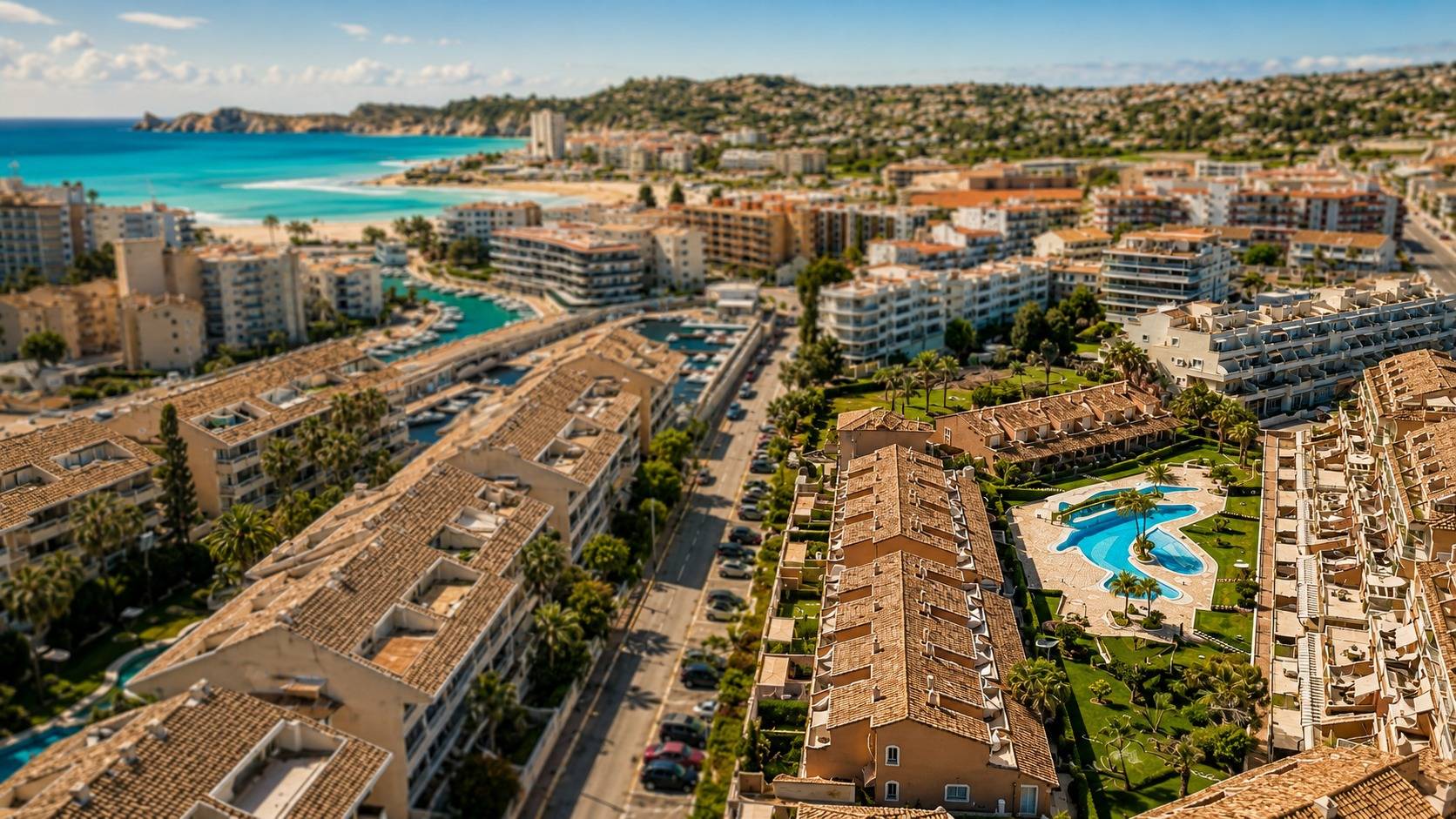
REF: PG6327B
Large apartment for sale in Javea Arenal – take a look!!!
Incredible apartment for sale within an easy walk of the stunning Arenal beach for sale…
399.000€
Exclusiva
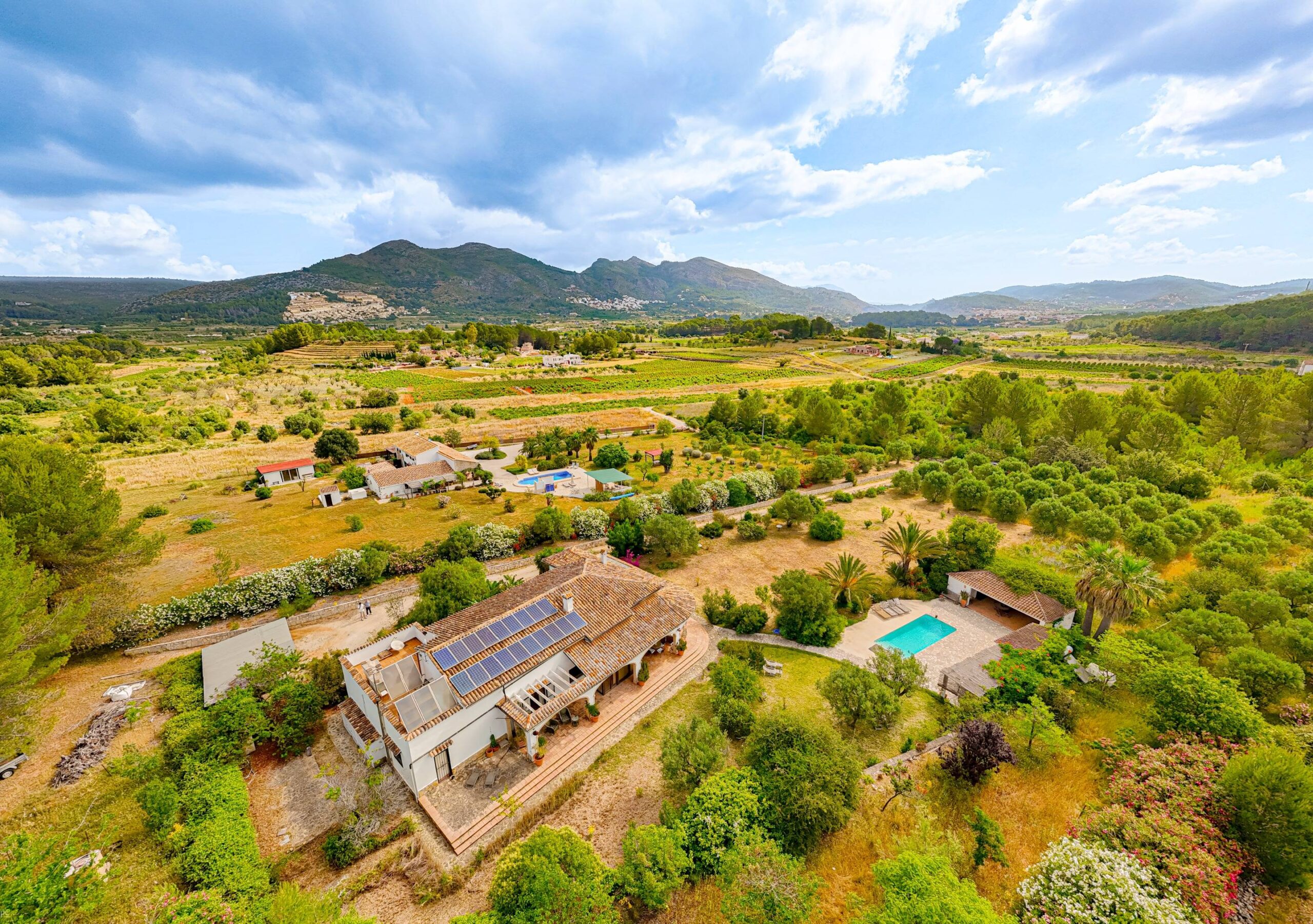
REF: PG6740B
Finca Helena. Finca for sale in Jalon, walking distance to the village with its own forrest.
Nestled within its own private estate just a short stroll from the charming village of…
879.000€
Exclusiva
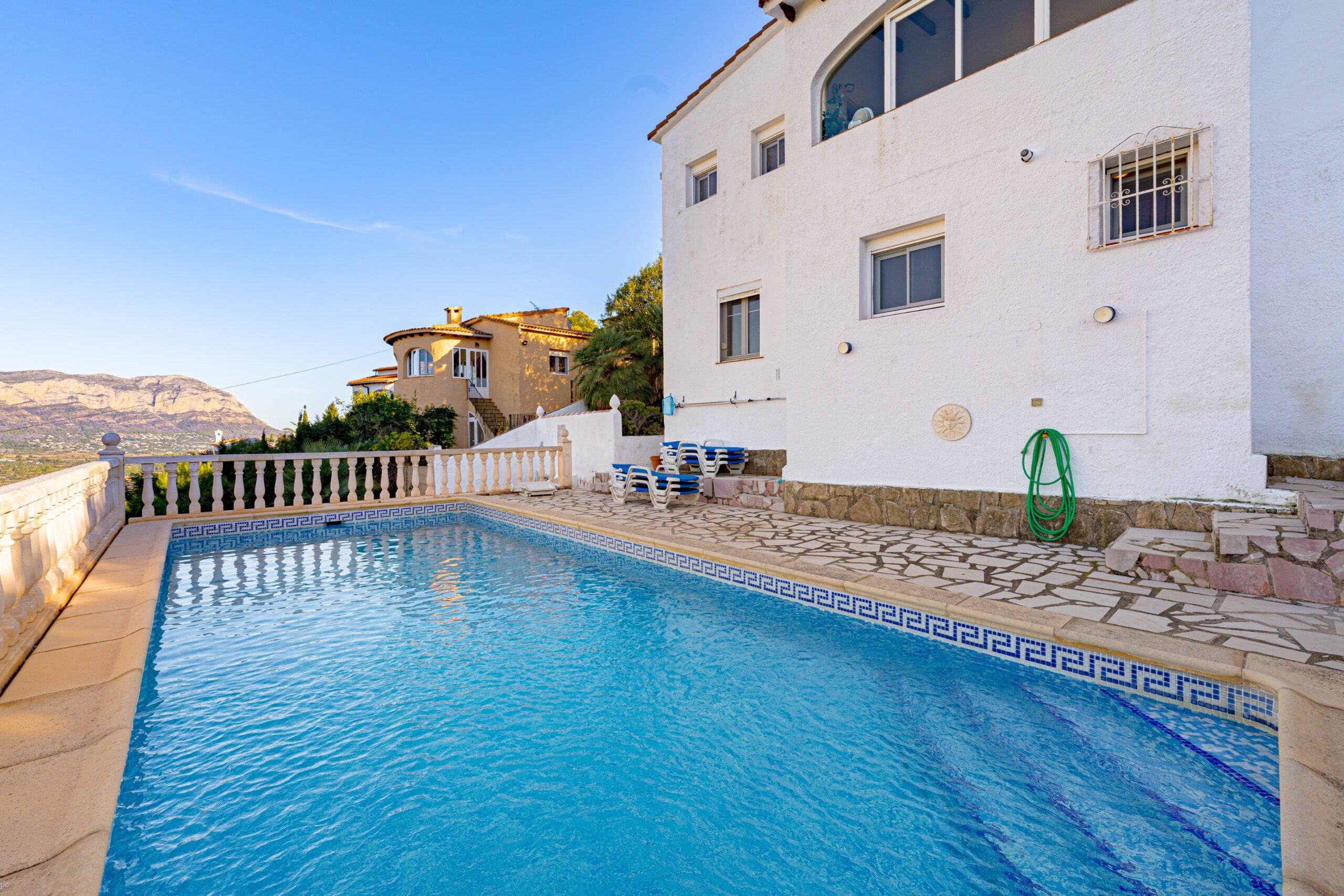
REF: NC6672B
Charming property to renovate with open views for sale in Pedreguer
Beautiful property with open views and swimming pool in Monte PedreguerThis charming property in Monte…
370.000€
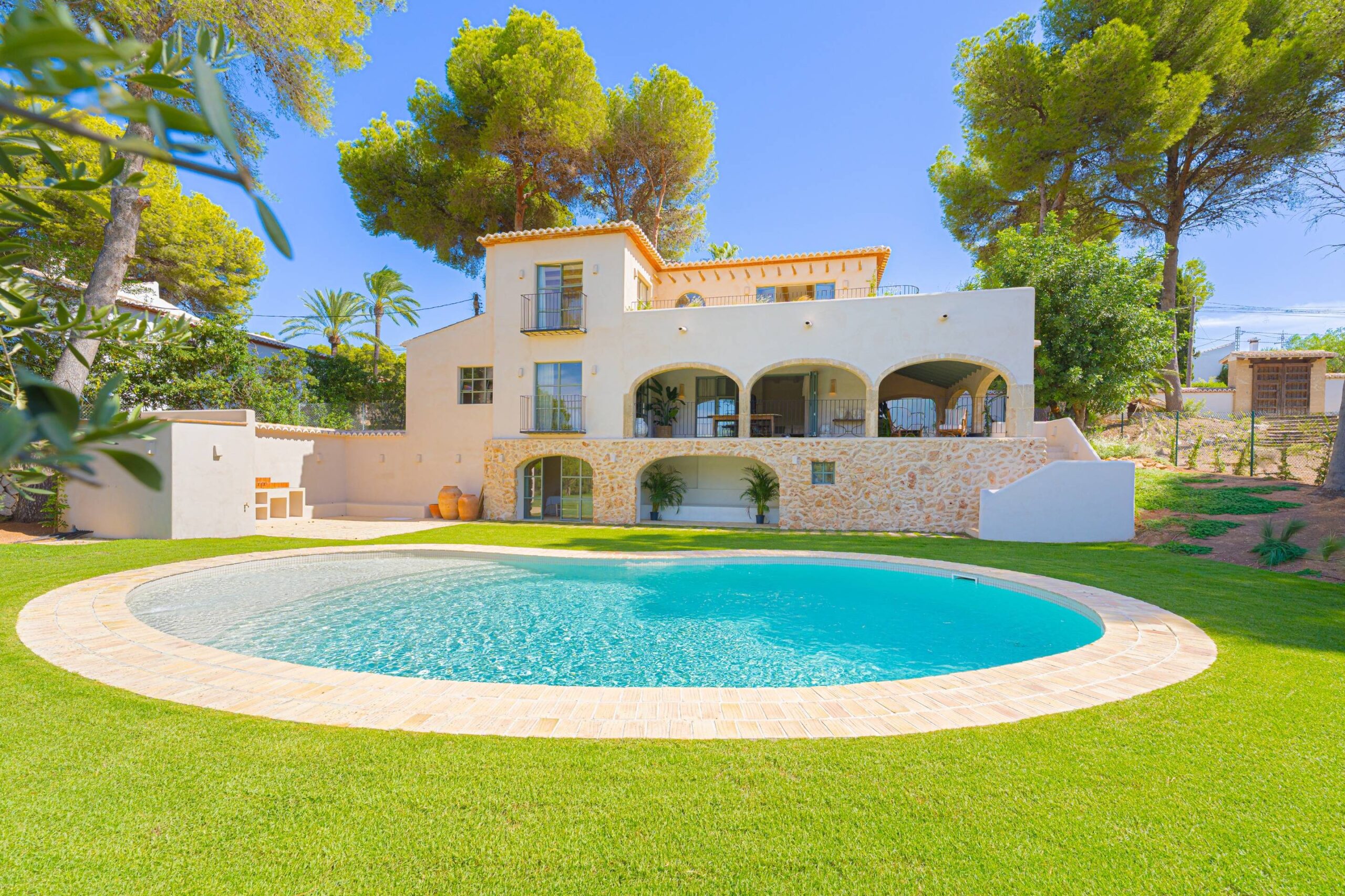
REF: DG5275
Casa Xaloc. An exclusive design that sets it apart in Jávea.
This contemporary Mediterranean-style home is located in one of the most sought-after areas of Jávea.…
2.300.000€
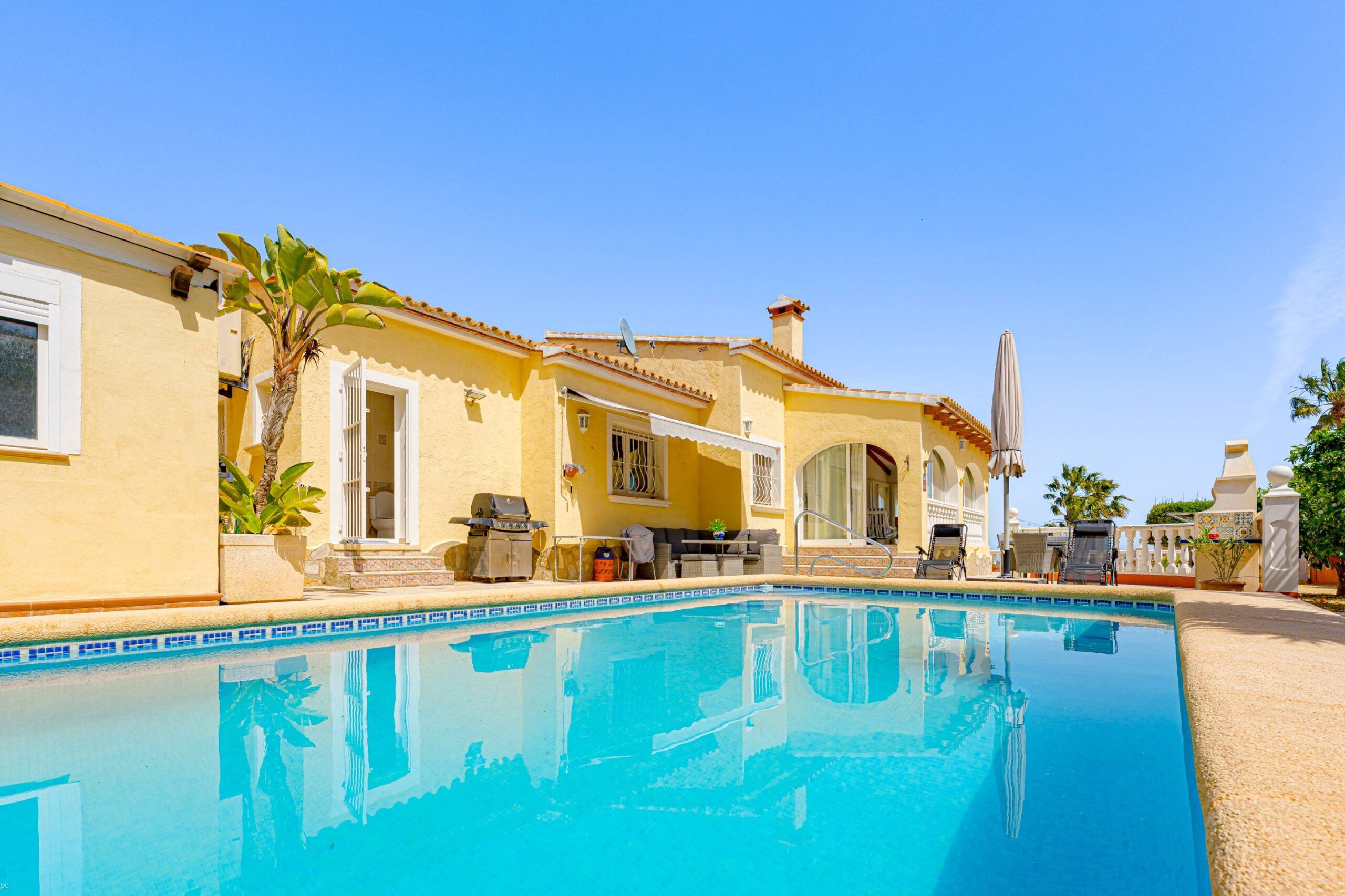
REF: PG67211B
Sea-view villa for sale in Benitachell, Los Molinos.
Situated in the popular Los Molinos residential area in Benitachell, just a 10-minute drive from…
649.000€
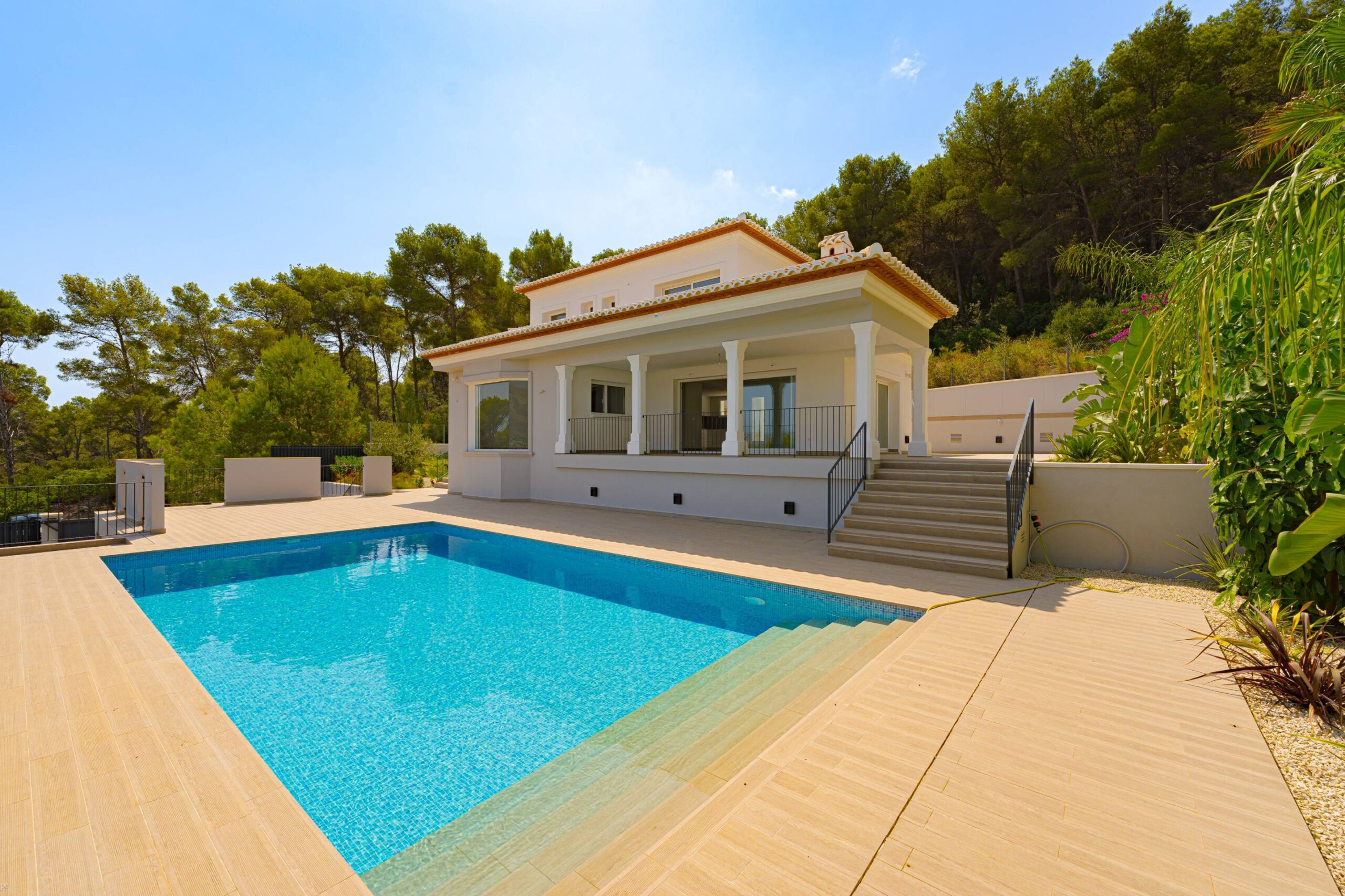
REF: PG6493B
Villa Luna. New luxury villa for sale in Javea
Situated within a modern and picturesque urbanization, this property boasts breathtaking open views across the…
1.950.000€